Understanding the Vinyl Record Grading System Before You Buy or Sell
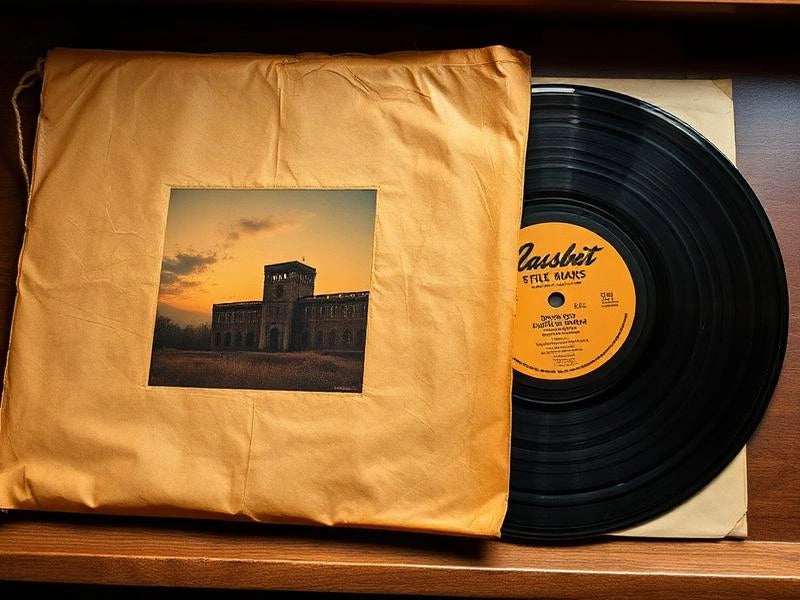
If you have spent any time in the world of record collecting, you have come across grading terms like NM, VG+, and G. These shorthand labels are part of the vinyl record grading system used by dealers, auction platforms, and collectors worldwide to describe the physical condition of a record. Understanding what these grades actually mean protects buyers from disappointment and sellers from disputes.
Why the Vinyl Record Grading System Matters
The vinyl record grading system exists because condition directly affects both the listening experience and the monetary value of a record. A copy graded Near Mint should play quietly with no surface noise. A copy graded Good will have audible defects. Without a shared language, every transaction would require extensive negotiation about what to expect. The grading system provides that shared language.
However, grading is not entirely objective. Two experienced collectors may assess the same record and arrive at slightly different conclusions. This is why understanding the grades in detail helps you assess whether a seller's grading is conservative, accurate, or generous before you commit to a purchase.
Northern Vintage Vinyl has developed a detailed approach to their own vinyl record grading system that prioritises accuracy and transparency. Their grading reflects careful physical inspection of both the disc and sleeve, giving buyers a reliable picture of what they are receiving.
The Main Grades in the Vinyl Record Grading System
Mint (M) Mint is the highest possible grade and represents a record in absolutely perfect, factory new condition. A truly Mint record has never been played, shows no signs of handling, and remains sealed if it was originally sold sealed. This grade is genuinely rare among vintage pressings.
Near Mint (NM or M-) Near Mint is the highest grade typically applied to records that have been opened and potentially played. A Near Mint record shows no visible marks under bright light, plays with virtually no surface noise, and retains the full lustre of new vinyl. The sleeve should similarly show no meaningful wear.
Very Good Plus (VG+) This is perhaps the most commercially significant grade in the vinyl record grading system. VG+ records have been played but show only light signs of use. There may be very faint hairlines visible under direct light, but these do not cause audible noise during playback. For most collectors, VG+ represents excellent value as it combines good sound with more accessible pricing.
Very Good (VG) A VG record has more visible marks and will produce some light surface noise during quieter passages. The music remains clearly audible and enjoyable, but the listening experience is noticeably less clean than higher grades. VG records are typically the entry point for budget conscious collectors.
Good (G) and Good Plus (G+) These grades indicate significant wear. Surface noise is clearly audible, and there may be occasional tracking issues. Records in Good condition are generally purchased only because the title is rare or because a collector needs a playable copy while searching for a better example.
Poor (P) Poor condition records are damaged to the point where they may not track reliably. They are typically acquired only as display pieces or because no better copy exists.
Grading the Sleeve Separately
An important and sometimes overlooked aspect of the vinyl record grading system is that the sleeve or cover is graded separately from the vinyl itself. A record might be described as NM/VG+, meaning the vinyl is Near Mint but the sleeve is Very Good Plus. This distinction matters both aesthetically and financially. Collectors who display their records expect sleeve quality to match vinyl quality.
Common sleeve defects that affect grading include:
- Ring wear from a record being stored inside a wet sleeve
- Seam splits where the cover has opened along a glued edge
- Writing or sticker marks left by previous owners
- Water damage or fading from light exposure
Conclusion
The vinyl record grading system is an essential tool for anyone buying or selling records. Learning the grades, understanding what each one means in practice, and developing the eye to assess condition accurately takes time but pays back immediately. Retailers like Northern Vintage Vinyl who apply this system rigorously make the purchasing process genuinely reliable and reassuring for collectors at every level.

Comments
Post a Comment